The winter is well and truly upon us bringing freezing temperatures, damp days, and dark nights. Cold weather shifts how our pets’ bodies function—from cardiovascular thermoregulation to joint biomechanics and nervous system reactivity.
To keep four-legged family members comfortable, safe, and thriving this winter, here are essential precautions and clinical strategies for the colder months.
Outdoor Living Quarters & Environmental Warmth
For pets who live outdoors, consider bringing them inside where possible. If they must remain outside:
Insulate Living Spaces: Provide thick, raised bedding (such as clean straw or layered blankets off cold concrete) and secure thermal covers over hutches and kennels to block freezing drafts.
Monitor Water Bowls Constantly: Water and wet food can freeze within hours. Check and refresh them multiple times a day to prevent acute dehydration.
Adapting Winter Walks & Biomechanics
Cold tarmac and freezing grass drastically reduce soft tissue elasticity. Adapting how you approach exercise protects your dog's joints and energy reserves:
Warm Up Indoors First: Cold ambient temperatures stiffen synovial fluid inside joints. Spend 2–3 minutes doing gentle indoor warm-up stretches, figure-eights, or a slow food search before walking out the front door into sub-zero air.
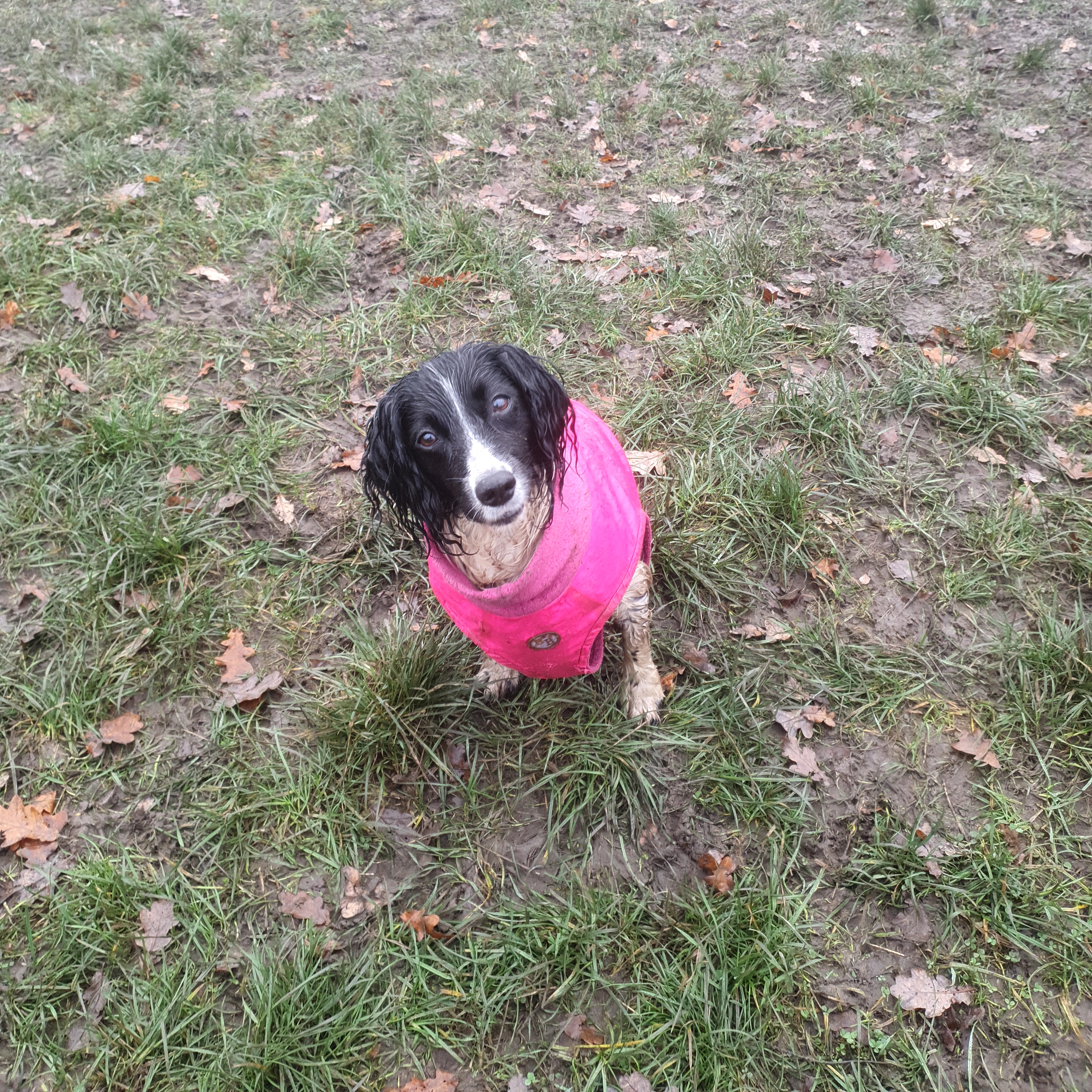
Shorten Walks & Layer Up: Shorter, frequent walks are much safer than prolonged, freezing strolls. Use a well-fitted, waterproof coat so your dog doesn’t expend all their metabolic energy merely fighting to stay warm.
The "Wet Coat" Risk: A wet dog loses core body heat through conduction up to 25 times faster than a dry one. Towel-dry or blast your dog down to skin level immediately upon coming indoors; never leave an older or fine-coated dog to air-dry in a chilly entryway.
Curb Cabin Fever with Indoor Enrichment: Reduced physical mileage often leads to pent-up frustration and destructive chewing. Replace lost walk time with mentally stimulating foraging: snuffle mats, frozen LickiMats, or a simple Amazon cardboard box scent game to decompress busy minds.
Managing the Winter Sensory Shift
Shorter days mean more walks in twilight or pitch darkness. Dogs process low-light environments differently than humans, often relying on silhouette interpretation:
Night-Walk Reactivity: A dog reacting unexpectedly on dark walks is frequently unsettled by distorted shadows, unfamiliar night noises, or people wearing bulky coats and hoods. Keep distances wide and provide reassurance.
High-Visibility & Tracking: Fit bright LED collar lights, reflective harnesses, and wear high-vis gear yourself. More pets go missing during winter; ensure microchip details and ID tags are completely up to date, and consider a reliable GPS tracker (such as Tractive), especially for senior dogs experiencing hearing, sight, or cognitive decline.
Keep Cats Indoors After Dark: Shorter daylight hours coincide with peak evening commuter traffic on dark, icy roads. Keeping cats inside overnight significantly reduces road traffic accidents.
Senior Pets & Musculoskeletal Support
Cold, damp weather is particularly unforgiving on arthritic joints and aging spines:
Indoor Fleece Layers: Senior or fine-coated pets can easily get chilled inside modern homes with floor drafts. A light indoor fleece or jumper provides steady comfort.
Supportive Orthopedic Bedding: Provide thick, supportive memory-foam bedding placed away from cold floor tiles and drafty doors.
Watch the Radiators: Stiff older pets often seek intense heat by lying pressed hard against scorching radiators. This can cause contact thermal burns and severe skin barrier dryness. Use radiator covers or position beds a safe distance away.
Targeted Botanical & Omega Support: Apply diluted
AromaTouch (e.g., 1-3 drop in 10–20 ml pure carrier oil like fractionated coconut oil) along the spine and over large muscle groups to promote microcirculation and ease stiffness.
Add a high-potency
Omega-3 fish oil (approx. 1000 mg active EPA/DHA per 10 kg body weight) to support joint lubricity and systemic inflammatory pathways.
Paw Protection, Ice & Road Salt Hazards
Paws take the brunt of winter elements, making them vulnerable to splits, chemical irritation, and toxic exposure:
Salt & Chemical Grit Toxicity: Local councils spread rock salt treated with chemical anti-caking agents (ferrocyanides). When dogs walk on treated paths, grit lodges between paw pads. If they lick their feet clean later, they ingest these toxic chemicals, risking gastric upset and mouth ulceration.
Protective Boots: On freezing ice, crusted snow, or heavily gritted roads, dog boots offer reliable physical protection against cracked pads and bleeding.
Post-Walk Paw Wash: Always rinse paws in a bowl of warm water immediately after walks to clear grit, snowballs, chemical de-icers and mud before your dog can groom themselves. Follow up with a natural, soothing paw balm. Alabama Rot maybe rare but it is present sadly my beautiful dog Treacle died of it in 2014 - she was cleaned of mud but got it through a puncture wound we think. We walked on the Tuesday and she died Saturday morning it happened that quickly.
Toffee, Treacle & Evie taken a few months before she died
Critical Winter Hazards: What to Avoid
Anti-Freeze (Ethylene Glycol) is Lethal: Anti-freeze has an alluringly sweet smell and taste to animals, but even a few licked drops cause rapid, irreversible kidney failure. Keep containers locked away. If you suspect any contact or ingestion, wash the area immediately and seek urgent emergency veterinary attention.
Never Leave Pets in Parked Cars: Just as cars act as ovens in summer, they become sub-zero metal refrigerators in winter. Left alone, pets are at high risk of rapid hypothermia.
Recognize the Signs of Hypothermia: Be vigilant during and after walks for early red flags:
Mild to Moderate: Shivering, profound lethargy, pale or cold gums, muscle stiffness, and disorientation.
Severe: Slow, shallow breathing, weak pulse, lack of coordination, collapse, and loss of consciousness. Wrap them immediately in warm blankets and contact a vet clinic.
Hydration & Nutrition Balance
Central Heating Dehydration: Radiators dry the air indoors quickly. Ensure fresh water bowls are plentiful and freely available. If your dog drinks less because the water feels too cold, stir in a splash of warm bone broth to encourage fluid intake.
Adjust Caloric Intake: Assess your pet's winter activity level. If exercise drops significantly due to foul weather, reduce daily food slightly to avoid winter weight gain (which strains joints). Conversely, working dogs and canine athletes burning extra calories to stay warm outdoors may require an energy boost.
Immune & Musculoskeletal Priming with Copaiba: Support the endocannabinoid and immune systems with pure
Copaiba. Dogs can receive a daily drop mixed directly into food for systemic inflammation and immune balance. For cats and small rabbits, apply a single diluted drop topically to your hands and gently stroke their fur, where they will safely ingest micro-amounts during normal grooming.
Ready to embrace a holistic path to well-being for your entire family – paws and all? Download my FREE ebook A Doctor's Guide To Getting Started With Natural Solutions For You & Your Pets
As a medical doctor specialising in integrative health, essential oils, and animal behaviour, I offer tailored
consultations designed to empower you and your beloved pets.
Discover the transformative power of essential oils and explore my
doctor-curated kits and bonuses to support your journey.
Connect with me:
Follow On Social Media
Please remember: Information shared is for educational purposes and not a substitute for medical or veterinary advice. Always consult with a qualified professional for specific health concerns.